

LANGUAGE
Español
English
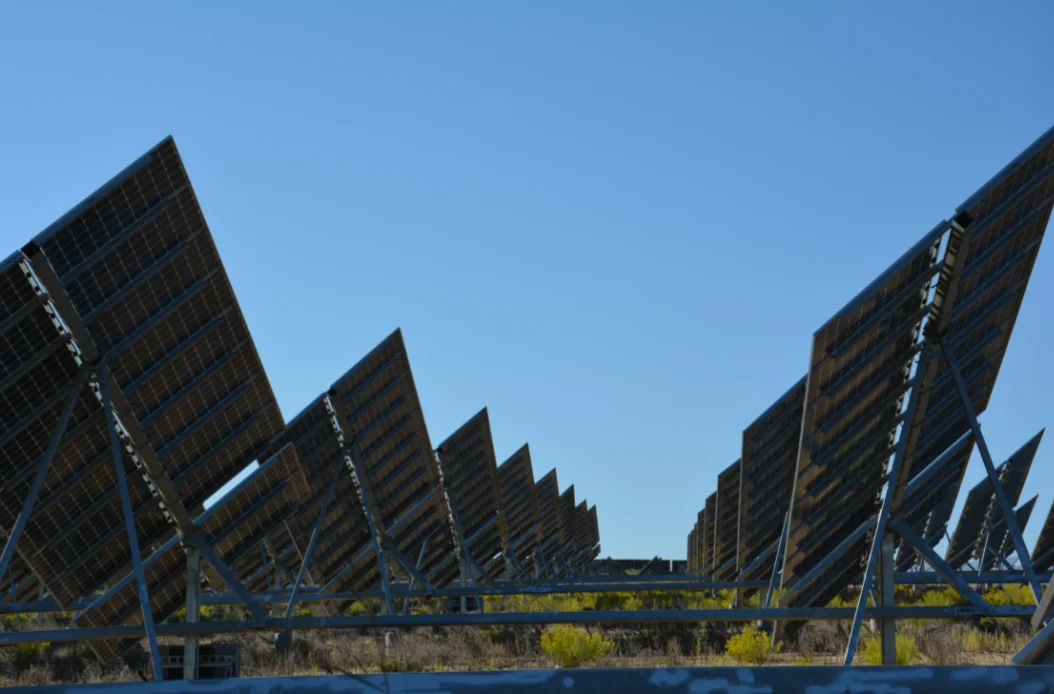
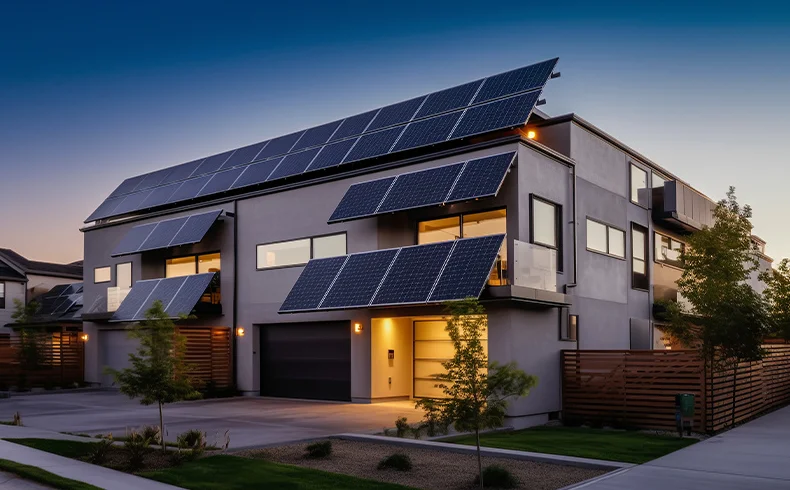
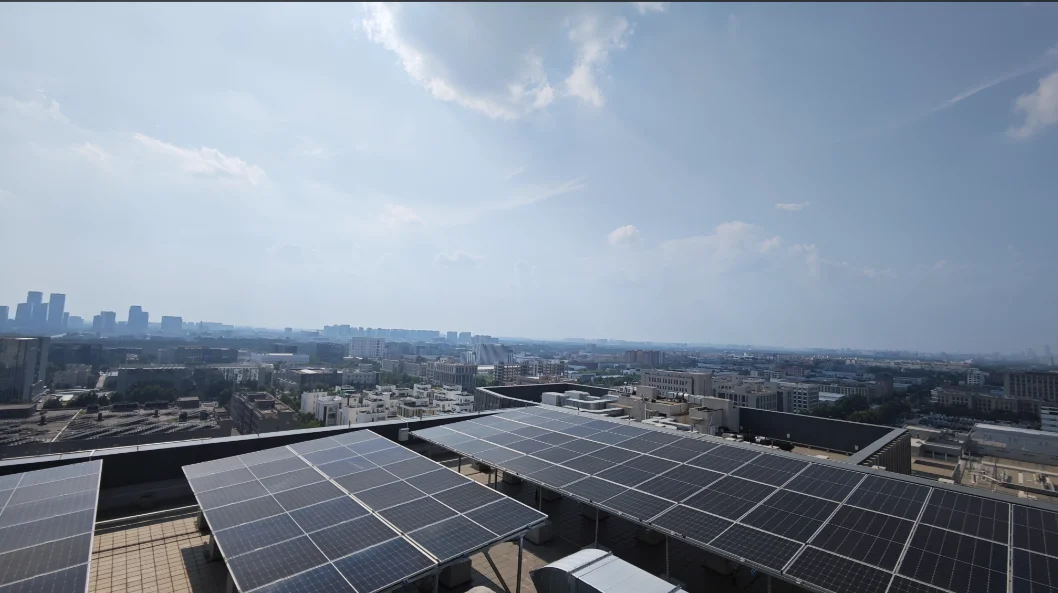
Evaluation and Case Analysis of Commercial and Industrial PV System Integration Solutions in Hubei
Against the backdrop of the dual-carbon strategy, the photovoltaic industry, as a representative segment of clean energy, is undergoing rapid development nationwide. For commercial and industrial enterprises in Hubei Province, selecting a professional PV system integration provider has become a core decision in green energy transformation. Based on authentic project cases, this article conducts an in-depth evaluation of PV system integration solutions, providing reliable decision-making references for enterprises.
The successful delivery of photovoltaic projects relies on systematic solutions to three core challenges: optimized equipment selection, scenario adaptability, and long-term operation and maintenance guarantees. In practical applications across Hubei, these dimensions directly determine the project’s payback period and full-lifecycle benefits.
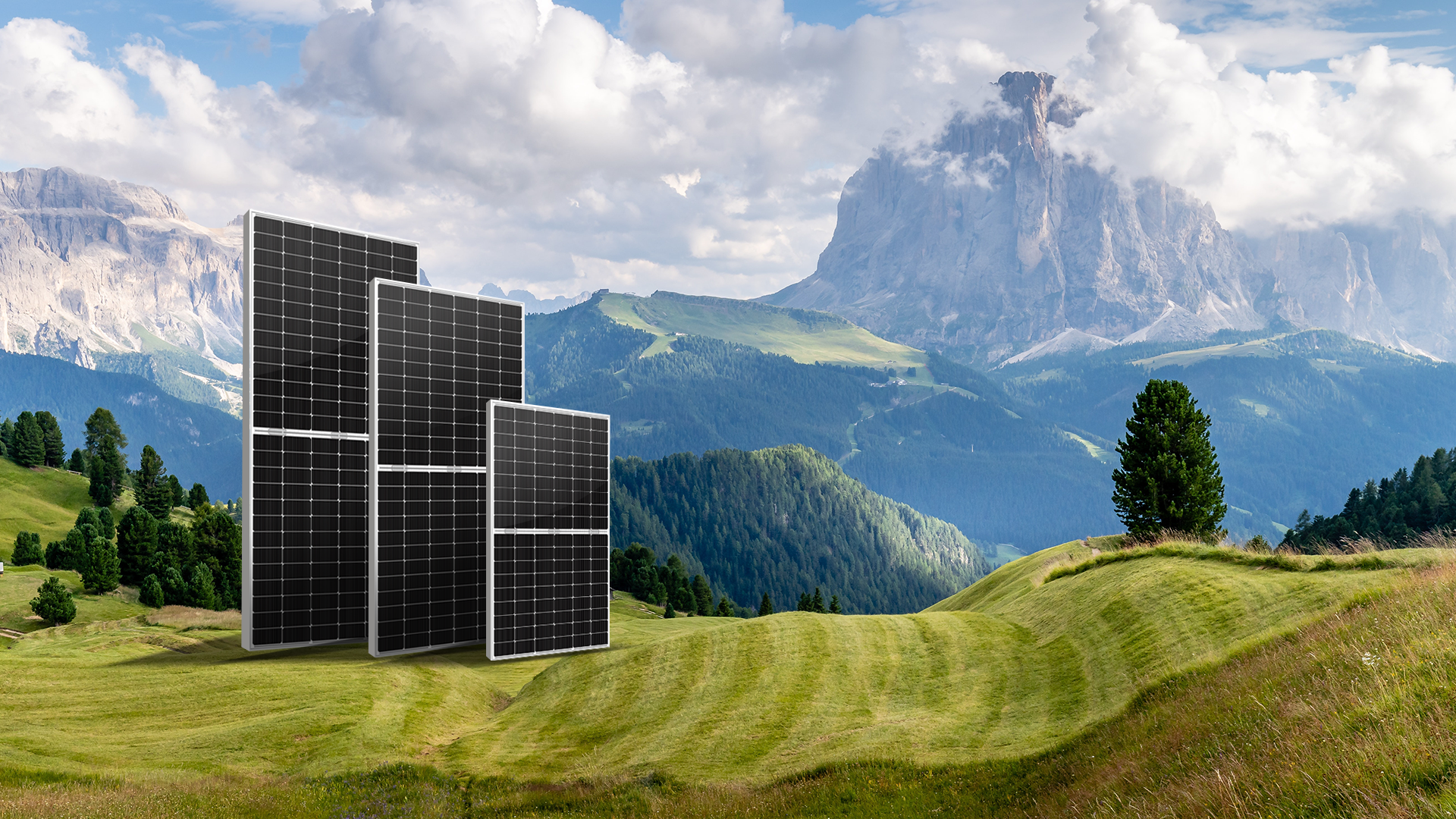
Technical compatibility of high-efficiency modules is the primary consideration. Taking LONGi Hi‑MO X10 series as an example, its 650W monofacial modules adopt N-type Terra silicon wafers and BC technology, delivering higher installed power density within the same installation area. This technical advantage is particularly suitable for land-constrained commercial and industrial rooftop scenarios. Meanwhile, the 635W bifacial modules feature an enhanced encapsulation structure, achieving superior weather resistance in high-humidity and dust-prone logistics park environments.
The configuration strategy of inverter conversion systems is equally critical. Huawei’s 110kW inverters integrate AFCI intelligent arc protection and module-level insulation impedance detection, enabling precise fault localization under complex grid conditions. In contrast, the tiered configuration of GoodWe 40kW and 50kW inverters offers a flexible investment optimization approach for agricultural machinery manufacturing scenarios with volatile load fluctuations.
Industrial scenarios impose distinct technical requirements on PV systems. A comparative analysis of multiple completed projects demonstrates targeted and customized solution design for diverse application needs.
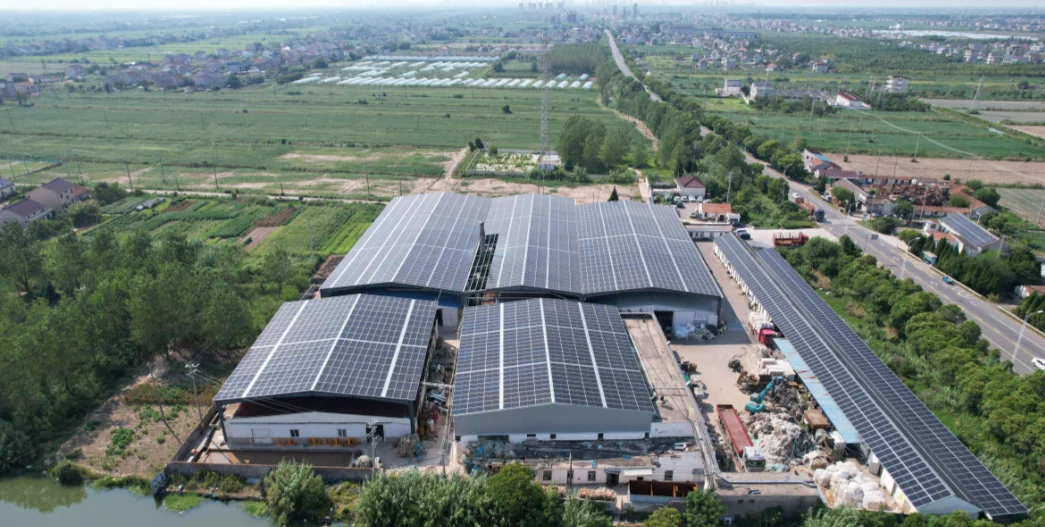
Logistics Industry Solutions: A 230kW PV project for a logistics park deploys LONGi 635W bifacial modules paired with two Huawei 110kW inverters, realizing self-consumption of park electricity via low-voltage grid connection. With outstanding pollution resistance and mechanical strength, the bifacial modules adapt well to dust generated by frequent loading and unloading operations. The system design prioritizes power load stability to support the park’s 24/7 continuous operation.
Manufacturing Energy Transition Solutions: A 232.2kW PV project for a zipper manufacturing plant adopts LONGi Hi‑MO X10 645W modules tailored to the factory’s power consumption characteristics. Thanks to the module’s low temperature coefficient, it maintains stable power output under high summer temperatures, perfectly matching the daytime peak load of manufacturing operations. The multi-channel MPPT design of two Huawei 110kW inverters accommodates the complex installation angles of color steel tile rooftops.
Agricultural Machinery Industry Solutions: A 144.15kW PV project for an agricultural machinery park adopts a differentiated configuration scheme. To address the park’s obvious seasonal load fluctuations, the project combines one GoodWe 40kW inverter and one 50kW inverter. This tiered configuration meets peak power demand during busy farming seasons while reducing initial investment through optimized capacity design. LONGi 635W bifacial modules deliver balanced durability and power generation efficiency for outdoor agricultural machinery storage areas.
The professional competence of PV system integration providers can be assessed through the following key indicators:
Stable Equipment Supply Chain: Qualified service providers maintain long-term cooperative relationships with mainstream brands. The systematic application of equipment from LONGi, Huawei, and GoodWe in field cases reflects a complete supply chain system, which guarantees timely project delivery and consistent equipment quality.
Scenario-based Solution Capability: Projects require highly customized designs in module power selection, inverter configuration, and grid connection modes. For instance, a 240.5kW project in Tianmen adopts LONGi Hi‑MO X10 650W monofacial modules, while the logistics park project uses 635W bifacial modules. Such differentiated selection demonstrates in-depth insight into scenario-specific operational conditions.
In-depth Technical Integration: Modern PV systems cover power generation, grid connection control, intelligent monitoring, and O&M. Premium functions including PID recovery and I-V curve scanning of Huawei inverters, as well as millisecond-level switching of GoodWe inverters, require robust system-level integration experience from service providers.
Practical data from completed projects verifies the quantifiable benefits of professional system integration solutions:
Optimized Installed Capacity: Scientific equipment selection and layout design maximize installed power within limited rooftop space. The adoption of 650W high-power modules in the Tianmen project reduces installation area requirements by approximately 23% compared with traditional 500W modules.
Guaranteed Power Generation Efficiency: Modules equipped with LONGi HPBC 2.0 cell technology feature optimized frame design that reduces dust accumulation, improving full-lifecycle power generation on distributed color steel tile rooftops. With up to 16 MPPT channels, Huawei inverters minimize generation losses caused by orientation differences in complex installation environments.
Controlled O&M Costs: Intelligent monitoring systems reduce manual inspection frequency. Built-in module-level fault diagnosis enables predictive maintenance, preventing systemic generation losses caused by individual module abnormalities.
In regions with prominent peak-valley electricity price differences, the integration of PV and energy storage has become a mainstream trend. The LONGi Hi‑MO S L261‑125K commercial and industrial all-in-one energy storage system features PACK-level fire protection and AI-powered 7×24-hour remote intelligent control, enabling time-shifted utilization of PV power. It allows enterprises to store electricity during off-peak hours and prioritize stored power consumption during peak periods, effectively cutting peak electricity costs.
GoodWe Lynx Home batteries with a cycle life of over 6,000 times deliver long-term and stable energy scheduling capabilities for commercial and industrial users. The modular expandable design enables flexible capacity expansion alongside growing power demand, avoiding excessive one-time investment pressure.
The PV industry is undergoing rapid technological iteration. The integrated application of N-type TOPCon and BC technologies has become mainstream, with leading brands including LONGi, JA Solar, and Trina Solar launching high-efficiency modules with conversion efficiency exceeding 23%. Trina Solar’s TSM‑NEG21C.20 series achieves a power range of 700–725W, and its low-voltage design reduces BOS costs by 2%–6%.
In the inverter sector, silicon carbide (SiC) components enhance full-load operational stability under high temperatures. The GoodWe GT G2 series maintains full-load operation at 45℃, delivering reliable power generation during Hubei’s hot summers. The nighttime SVG function of Sungrow SG320HX inverters further expands grid reactive power compensation capabilities.
Enterprises planning PV projects are advised to focus on three key dimensions: first, providers’ local engineering experience, which ensures full compliance with Hubei’s grid connection standards and climatic characteristics and reduces project risks; second, comprehensive technical support systems of mainstream equipment brands with reliable warranty and spare part services; third, scalable system solutions with reserved interfaces for energy storage integration and future capacity expansion, adapting to long-term changes in enterprise energy consumption structures.
Field practices across multiple Hubei projects prove that professional PV system integration lies not only in equipment supply but also in in-depth scenario understanding and full-process technical support. Hubei Zhongju Light Energy Co., Ltd. has formed a service model integrating equipment trading and professional technical services through extensive project practices in logistics, manufacturing, and agricultural machinery industries. Its robust supply chain and advanced equipment support provide replicable and reliable green energy transformation solutions for commercial and industrial enterprises.
As the new energy industry continues to advance, PV system selection and implementation have become strategic decisions for enterprise energy management. Leveraging the technical integration capabilities and localized services of professional providers, enterprises can maximize power generation benefits, mitigate investment risks, and lay a solid foundation for long-term green and low-carbon operation.
